
Supreme Court Says a Protest Site Cannot Be Occupied for All Time in Delhi Hearing
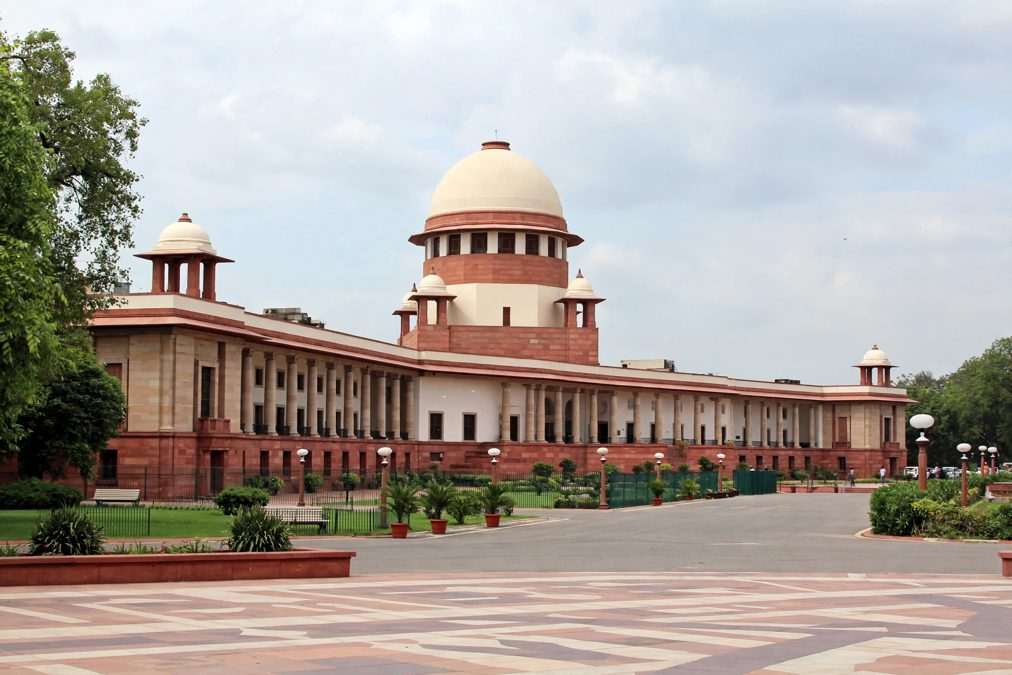
A bench led by Chief Justice of India Surya Kant, hearing petitions from the October protests in Delhi against the Chief Election Commissioner, directed traders who say the protests hurt their business to add the protest organisers as parties to their plea. The Court issued notice and gave no final verdict.
Key points
- The Supreme Court of India said on Tuesday, November 3, that protesters cannot perpetually occupy a protest site, adding that such sites can be occupied only for a specified period to allow other…
- A bench of Chief Justice of India Surya Kant, Justice Joymalya Bagchi and Justice V Mohana heard the matters.
- The petitions raise issues of mass detentions, alleged police brutality, arbitrary closure of metro stations and internet shutdown during the crackdown on the Delhi protests, according to LiveLaw.
The Supreme Court of India said on Tuesday, November 3, that protesters cannot perpetually occupy a protest site, adding that such sites can be occupied only for a specified period to allow other groups to use them, Bar and Bench reported. The Court was hearing a batch of petitions arising from the October protests in Delhi against Chief Election Commissioner Gyanesh Kumar.
A bench of Chief Justice of India Surya Kant, Justice Joymalya Bagchi and Justice V Mohana heard the matters. The Court directed traders who approached it alleging that the anti-CEC protests had adversely affected their businesses in Delhi to implead the organisers of the protests as parties to their plea, LiveLaw reported. The traders' plea was filed by the Kirana Committee Delhi.
What the petitions raise
The petitions raise issues of mass detentions, alleged police brutality, arbitrary closure of metro stations and internet shutdown during the crackdown on the Delhi protests, according to LiveLaw. Traders, for their part, say the protests cost them business. The Court issued notice in the traders' plea against Ramlila Maidan as a protest site and listed the matters for a further date, Verdictum reported. No final verdict was delivered in this hearing.
Chief Justice Surya Kant said in court: "You cannot occupy a site for all times to come. There are other protesters. Where will the farmers go? Where will the workers go? Where will the trade unions go? Where will the homeless go? Everybody has a right to protest."
He added: "There are conflicting claims. The right to protest is also a constitutionally recognised right, as is the right to trade and carry on business. We are not talking about trade merely in terms of commercial establishments. We are talking about the source of livelihood of a daily-wage worker. Where does that person go for their daily bread?"
The arguments in court
Solicitor General Tushar Mehta said the Cockroach Janta Party protest in July was permitted only for one day but protesters remained for 17 days, and that they then marched towards Parliament without obtaining permission, Bar and Bench reported.
Senior Advocate Mukul Rohatgi, appearing for traders, claimed a revenue loss of Rs 2,000 crore due to the protests. That figure is a claim made in court by counsel, not a court finding.
Senior Advocate Menaka Guruswamy submitted that Jantar Mantar was a designated protest site and alleged that the violence during the protests was perpetrated by the Delhi Police. She referred to the detention of around 7,000 people. Those points are submissions by counsel and are stated here as allegations, not findings.
What happens next
The hearing ended with a procedural step, not a ruling on the protests themselves. The traders must now add the protest organisers as parties to their plea, the Court has issued notice in the plea against Ramlila Maidan as a protest site, and the batch of petitions will be heard again on a further date. The Court's remarks set out the balance it described between the right to protest, the right of other groups to use the same sites, and the livelihood of traders and daily wage workers affected by long occupations of those sites.
Timeline
- July 2026A Cockroach Janta Party protest in Delhi is permitted for one day but stays for 17 days and then marches towards Parliament without permission, the Solicitor General tells the Court.
- October 2026Protests are held in Delhi against Chief Election Commissioner Gyanesh Kumar; petitions later raise mass detentions, alleged police brutality, metro closures and an internet shutdown during the crackdown.
- Nov 3, 2026The Supreme Court says a protest site cannot be occupied for all time, directs traders to add the protest organisers as parties to their plea, issues notice in the plea against Ramlila Maidan, and lists the matters for a further date.
Sources
- Bar and Bench: You cannot occupy protest site for all time, what about livelihood of daily wagers, Supreme Court
- LiveLaw: Anti CEC protests, Supreme Court directs traders to add organisers as parties in plea over loss of business
- Verdictum: No site can be occupied all times, everyone has right to protest, Supreme Court
- LiveLaw: Breaking news alerts, November 3, 2026