
Supreme Court Asks Trump Administration for Its View on Iowa Immigration Arrest Law
The justices asked the solicitor general whether they should hear Iowa's appeal over a blocked state law that makes it a crime to enter Iowa after being deported or denied entry to the United States.
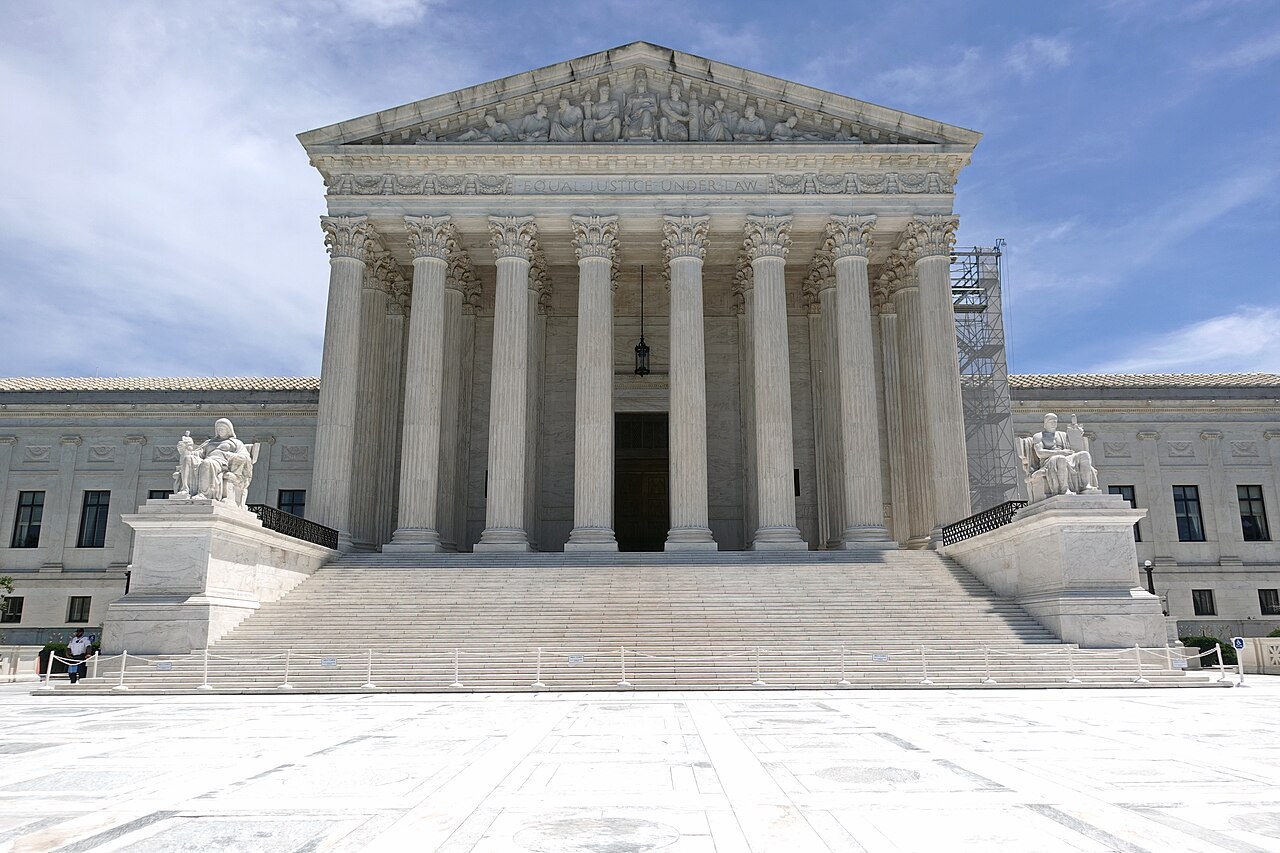
Key points
- WASHINGTON.
- The request, known as a call for the views of the solicitor general, does not decide the case.
- Iowa passed the law in 2024.
WASHINGTON. The Supreme Court on Monday asked the Trump administration to give its views on whether the justices should hear Iowa's appeal in a fight over a state law that makes it a crime to enter Iowa after being deported or denied entry to the United States.
The request, known as a call for the views of the solicitor general, does not decide the case. It does signal that at least some justices want the federal government's formal position before they vote on whether to take the appeal. There is no deadline for the solicitor general to file, and the brief is likely to arrive sometime next year, according to SCOTUSblog's summary of Monday's orders.
A state law blocked by a lower court
Iowa passed the law in 2024. It makes it a state crime for a person to enter Iowa if that person has previously been deported or denied entry to the United States. State officials can arrest and prosecute people under the law.
The 8th US Circuit Court of Appeals blocked the law, ruling that it interferes with federal immigration enforcement. Iowa Attorney General Brenna Bird appealed to the Supreme Court. Her office argues that the Iowa law supplements federal enforcement and that the plaintiffs lack standing to sue.
The challenge was brought by the Iowa Migrant Movement for Justice and two state residents who had previously been deported or otherwise removed from the United States but were later allowed to reenter as lawful permanent residents. Cody Wofsy of the American Civil Liberties Union Foundation represents the plaintiffs. Eric Wessan, Iowa's solicitor general, represents the state.
A wider fight over who enforces immigration law
The case, Bird v. Iowa Migrant Movement for Justice, No. 26-49, sits inside a larger dispute over whether states can write their own immigration crimes on top of federal law. The Biden administration sued Iowa, Texas and other states over laws of this kind. The Trump administration has supported the states' efforts, which makes the solicitor general's answer in this case closely watched: the government is being asked for its view in a dispute where it has already backed the state side in related fights.
In February 2026, the 8th Circuit denied rehearing by the full court, leaving its block on the Iowa law in place and setting up the Supreme Court appeal.
If the justices take the case after the solicitor general files, they will decide whether the Iowa law can stand. If they turn the appeal away, the lower court ruling that blocked the law remains in force. For now, the law stays blocked while the federal government prepares its answer.
Timeline
- 2024Iowa passes a law making it a state crime to enter Iowa after having been deported or denied entry to the United States.
- Feb 2026The 8th Circuit denies rehearing by the full court, leaving in place its ruling that blocked the Iowa law for interfering with federal immigration enforcement.
- Oct 19, 2026The Supreme Court asks the solicitor general for the federal government's views on whether it should hear Iowa's appeal, Bird v. Iowa Migrant Movement for Justice, No. 26-49.