
Salmonella Outbreak Linked to Virginia Oysters Sickens 27 People in 12 States, CDC Says
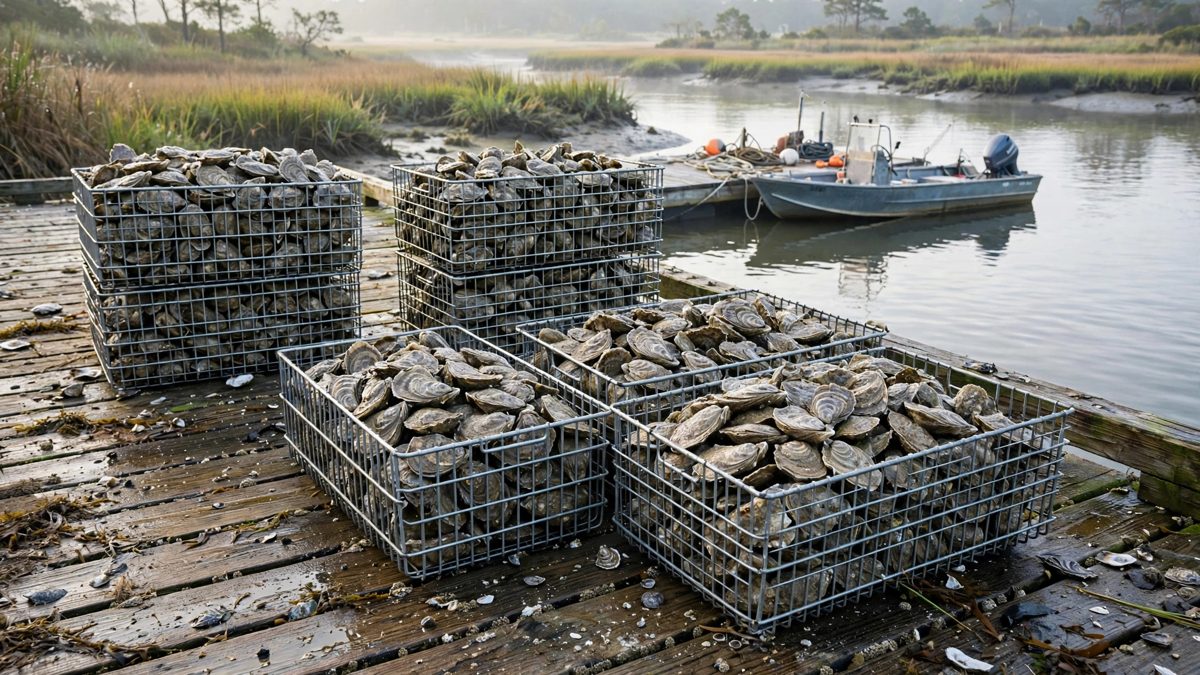
Federal health officials said on Monday that raw oysters harvested by the Little Wicomico Oyster Company from a Virginia river are the likely source of a Salmonella Telelkebir outbreak that has sickened 27 people in 12 states and put five in the hospital. The company has recalled oysters harvested from September 18 through October 8, and officials told restaurants not to serve them and consumers not to eat them.
Key points
- The CDC announced on Monday that a multistate outbreak of Salmonella Telelkebir infections has been traced to raw oysters harvested by the Little Wicomico Oyster Company of Heathsville, Virginia,…
- As of October 19, 27 people in 12 states are confirmed sick.
- Health officials interviewed 13 of the sick people, and 10 of them, or 77 percent, reported eating raw oysters before they fell ill.
The CDC announced on Monday that a multistate outbreak of Salmonella Telelkebir infections has been traced to raw oysters harvested by the Little Wicomico Oyster Company of Heathsville, Virginia, from the Little Wicomico River, a small Potomac tributary on Virginia's Northern Neck.
As of October 19, 27 people in 12 states are confirmed sick. Five of the 21 patients for whom information is available were hospitalized, a share of 24 percent. No one has died. The illnesses began between May 29 and September 14, 2026, which means the outbreak built quietly for months before investigators tied the cases together.
How investigators found the source
Health officials interviewed 13 of the sick people, and 10 of them, or 77 percent, reported eating raw oysters before they fell ill. That is far above the 1.6 percent background rate in the CDC's FoodNet Population Survey. Investigators could trace the oysters for seven of those ten people. Their oysters came from several harvest areas, and Little Wicomico River oysters from the Little Wicomico Oyster Company were the only ones all seven had in common. Pennsylvania officials also sampled oysters at a distributor that supplied restaurants where sick people had eaten. One sample, harvested by the company from the Little Wicomico River, tested positive for Salmonella. Lab work to learn whether it matches the outbreak strain is still pending.
The recall and the official advice
The company has recalled whole shellstock oysters harvested in the Little Wicomico River and Little Wicomico River Lower from September 18 through October 8, 2026, under its dealer certification VA-1421-SP. It has contacted its customers, stopped harvesting from the affected area and is cooperating with officials, according to the Virginia Department of Health recall notice. The Pennsylvania Department of Agriculture first declared the outbreak after finding the epidemiological link between the infections and the oysters.
The recalled oysters went to restaurants and retailers in California, Colorado, Connecticut, the District of Columbia, Florida, Georgia, Illinois, Maryland, Missouri, North Carolina, New Jersey, Nevada, New York, Pennsylvania, Texas and Virginia, and they may have been sent on further. The Food and Drug Administration is advising restaurants and food retailers not to serve or sell the recalled oysters, and consumers not to eat them. Restaurants and retailers should throw the oysters away or contact their distributor to arrange for destruction.
Virginia closed the Little Wicomico River to shellfish harvesting on October 9, and the emergency closure runs through November 7. It covers bivalve shellfish such as oysters and clams. Crabs and finfish can still be harvested, and state officials said the closure has no impact on drinking water.
One detail in the dates matters for shoppers. The last known illness began on September 14, and the recalled harvest window opens on September 18. The recall cannot undo meals already eaten. It is aimed at oysters still sitting in the supply chain. Linking a new case to an outbreak can take three to four weeks, so more illnesses may still be reported.
Symptoms to watch for
Food contaminated with Salmonella does not usually look, smell or taste spoiled. Symptoms can include diarrhea, abdominal cramps and fever within 12 to 72 hours, and healthy adults are usually sick for four to seven days. In some cases the diarrhea is severe enough to need hospital care. Infants, children, older adults, pregnant women and people with weakened immune systems face a higher risk of serious illness. Anyone who ate the recalled oysters and develops symptoms should seek medical attention and tell their doctor about the possible exposure, because special tests are needed to diagnose salmonellosis and its symptoms can mimic other illnesses.
Timeline
- May 29, 2026The first known illness in the outbreak begins. Illness onsets later run through September 14, 2026.
- Sep 18, 2026The harvest window for the recalled oysters opens on the Little Wicomico River in Virginia. It runs through October 8, 2026.
- Oct 9, 2026Virginia closes the Little Wicomico River to shellfish harvesting through November 7 after Pennsylvania traces Salmonella illnesses to oysters from its waters.
- Oct 19, 2026The CDC announces the multistate outbreak: 27 people sick in 12 states, five hospitalized and no deaths. The FDA tells restaurants and consumers not to sell, serve or eat the recalled oysters.
Sources
- Food Safety News: More than 2 dozen patients identified in outbreak linked to oysters
- Marler Blog: Salmonella outbreak linked to Little Wicomico River oysters, 27 sick in 12 states
- Virginia Department of Health: Recall, Little Wicomico River
- Virginia Department of Health: Virginia closes Little Wicomico River to shellfish harvesting