
Bolivia Declares Nationwide State of Emergency Over El Nino as Drought Hits 78,000 Families
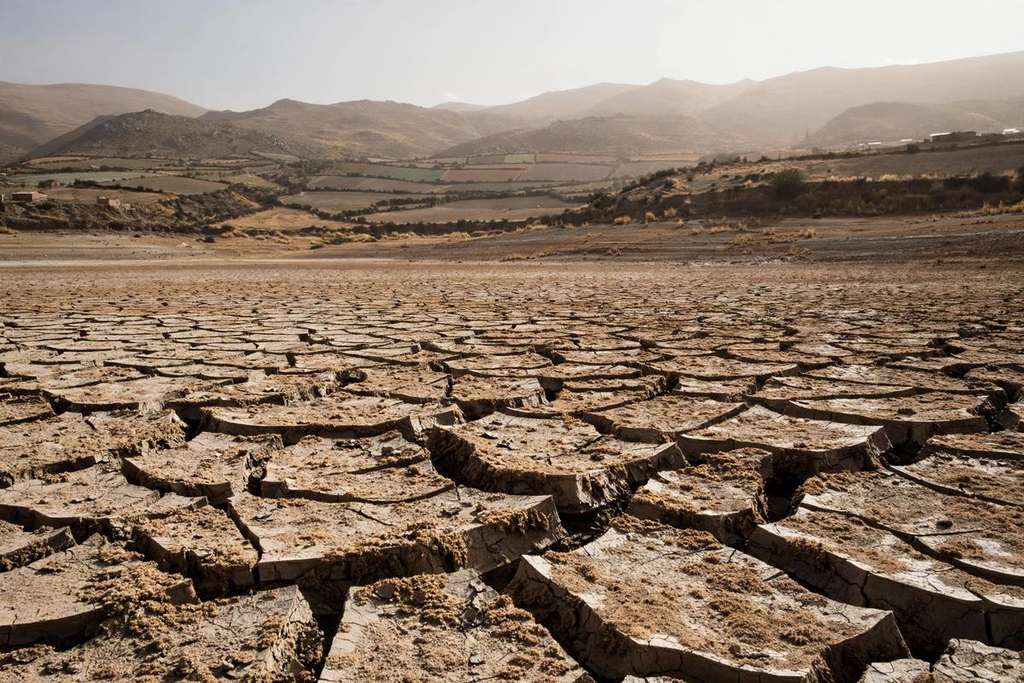
President Rodrigo Paz signed the decree on Saturday to free up money and send more rescue teams to areas hit by drought and flooding, with 78,000 families affected and more than 75,000 cattle lost.
Key points
- Bolivia has declared a nationwide state of emergency over the El Nino weather pattern, as drought tightens its grip on six of the country's nine departments and flooding threatens other parts of…
- President Rodrigo Paz signed the decree on Saturday and announced it in an address to the nation.
- "This will be a phenomenon that will have very severe impacts in terms of drought and floods, and we need the cooperation of all institutions," Paz said.
Bolivia has declared a nationwide state of emergency over the El Nino weather pattern, as drought tightens its grip on six of the country's nine departments and flooding threatens other parts of the country.
President Rodrigo Paz signed the decree on Saturday and announced it in an address to the nation. The declaration frees up financial resources so the government can move money faster to the regions that need it most. It also calls for more rescue teams to be sent to the areas hardest hit by flooding and drought, according to Agence France-Presse and Al Jazeera.
"This will be a phenomenon that will have very severe impacts in terms of drought and floods, and we need the cooperation of all institutions," Paz said.
Drought is already biting
A government report released this week put the human and economic cost in plain numbers. Drought is affecting 78,000 families in six of Bolivia's nine departments. More than 75,000 head of cattle have been lost.
Paz said 63 communities have already been affected by drought, in remarks reported by the IANS news agency. The livestock sector is also struggling with shortages of animal feed. The emergency measure aims to mobilise financial and human resources, strengthen coordination among government agencies and seek international cooperation to assist affected families, the agency reported.
Some Bolivian regions have too little water now. Others face the risk of too much water in the months ahead, as the same pattern shifts from drought toward heavy rain and floods.
What El Nino is doing
El Nino is a natural climate pattern that occurs roughly every two to seven years. It warms surface waters in the central and eastern equatorial Pacific Ocean and brings worldwide changes in winds, pressure and rainfall patterns, often causing extreme weather far from the Pacific itself.
The United Nations warned last week that the current El Nino could have unprecedented strength and bring severe disruption to Latin America, eastern and southern Africa, Asia and the Pacific. Al Jazeera reported that this cycle could be the strongest in recorded history. It is due to peak at the end of 2026, but its impacts could continue well into 2027.
In early September, the World Meteorological Organization reported a nearly 100 per cent likelihood that the pattern will persist through February 2027. Scientists cited by Al Jazeera predict El Nino could cause more than 450,000 deaths globally, with the poorest countries worst impacted. Those are forecasts, not certainties.
A regional pattern, and a hard history at home
Bolivia is not facing the weather alone. In neighbouring Peru, increased temperatures and wildfires have already claimed the lives of at least 12 people, Agence France-Presse reported. Chile has experienced the rainiest October ever recorded in Santiago, its capital.
At home, the flood risk carries a recent memory. In December 2025, floods in the Santa Cruz region killed dozens of people, Al Jazeera reported. That explains why a decree signed during a drought also orders rescue teams toward flood risk. The government wants resources and teams in place before the rain arrives, not after it.
For the 78,000 families already short of water, the test of the decree will be practical: water, feed for surviving cattle, and help reaching the 63 affected communities while there is still time to prepare for the floods Paz warned about on Saturday.
Sources
- AFP: Bolivia declares state of emergency over El Niño, via Muser Press
- Al Jazeera: Bolivia declares state of emergency over El Nino weather pattern, via 234Radio
- The Business Standard: Bolivia declares nationwide state of emergency over drought and flood risks
- IANS: Bolivia declares state of emergency over El Nino, via Hi India