
Magnitude 7 Earthquake Strikes Northern Tibet, Strongest to Hit China Since 2024
The shallow quake hit Baqen County in Nagqu at 10:33 p.m. local time on Thursday, at a depth of 10 km. Early wire reports said casualties and damage were not yet known.
Key points
- The aftershock sequence continued on Sunday with a magnitude 5.9 quake at 11:25 UTC, 218 kilometres east-northeast of Nagqu, at a shallow depth of 7 kilometres, the USGS reported.
- The number of people injured in the earthquake rose to 65, while the death toll remained at 16, Reuters reported on Friday.
- The number of people injured has risen to 76, local government authorities said at a press conference on Friday, while the death toll remained unchanged at 16, Reuters reported.
Updated 18:49 UTC, Oct 25, 2026
The aftershock sequence continued on Sunday with a magnitude 5.9 quake at 11:25 UTC, 218 kilometres east-northeast of Nagqu, at a shallow depth of 7 kilometres, the USGS reported. The European-Mediterranean Seismological Centre put the depth at 9 kilometres. The USGS issued a green alert, indicating a low likelihood of casualties or damage, and its modelling put the strongest shaking at intensity VII in a sparsely populated part of the Tibetan Plateau, with about 126,000 people in the modelled area. No new casualty or damage reports accompanied the agency reports on Sunday. The October 22 mainshock killed 16 people, with the injured count last reported at 76, and its aftershocks have now continued for three days.
Updated 18:30 UTC, Oct 23, 2026
The number of people injured in the earthquake rose to 65, while the death toll remained at 16, Reuters reported on Friday. The China Earthquake Networks Center recorded 413 aftershocks. More than 12,000 people have been relocated, the state news agency Xinhua reported, and 339 homes collapsed in the quake. More than 300 police officers were sent to the epicentre area in Nagqu, in Baqen County, to carry out rescue and relief work. The quake remains the strongest to hit China since January 2024. Authorities later on Friday raised the injured count to 76, as reported in the update below.
Updated 10:23 UTC, Oct. 23, 2026
The number of people injured has risen to 76, local government authorities said at a press conference on Friday, while the death toll remained unchanged at 16, Reuters reported. Homes that cracked or began leaning in the main quake may be at risk of collapse during aftershocks, officials said, although communication and power supplies are gradually being restored.
Xinhua, cited by The Hindu BusinessLine, put the number of people evacuated at 12,489 and said China had allocated 50 million yuan in emergency disaster relief funds and earmarked another 30 million yuan for recovery efforts. Passenger trains on the affected section of the Qinghai-Xizang Railway resumed at reduced speeds on Friday morning, and electricity had been restored to 1,937 households in Baqen County as of 10 a.m. local time on Friday. Relief supplies reaching the area included 1,000 prefabricated housing units, 3,239 tents, 2,821 folding beds and 4,280 quilts, Xinhua reported.
The new injured count replaces the figure of 65 in the update below.
Updated 05:10 UTC, Oct. 23, 2026
The number of people injured in the earthquake has risen to 65, the local government said in a social media post on Friday, while the death toll remained unchanged at 16, Reuters reported. More than 12,000 people have been safely relocated, the state news agency Xinhua reported. The China Earthquake Networks Center said 413 aftershocks had been recorded.
More than 300 police officers, including traffic and community police, were sent to the epicentre area to carry out rescue and relief work, the Nagqu police department said in a separate post on the messaging app WeChat early on Friday. Officers checked homes for damage and helped people move to safer locations, the department said. The new injured count replaces the Nagqu emergency bureau figure of 46 carried in the update below.
Updated 03:40 UTC, Oct. 23, 2026
The Nagqu emergency bureau put the injured at 46 as of early Friday, up from 32, with 11 people in serious condition and 35 with minor injuries. The death toll held at 16. Officials said 20 livestock sheds collapsed, more than 1,600 rescuers were working in the disaster area, and authorities had sent 1,000 prefabricated housing units and 3,000 tents. A section of National Highway 317 was closed by rockfalls, and intermittent snowfall was forecast over the next three days.
Updated 22:14 UTC, Oct. 22, 2026
At least 16 people were killed and 32 injured in the earthquake, the Associated Press reported, citing official media and the Nagqu media office. Eleven of the injured are in serious condition and the other 21 have minor injuries. At least 339 homes collapsed in Baqen County, the media office said, citing city government officials. CNN, citing the state news agency Xinhua, also reported at least 16 dead and at least 339 collapsed houses.
Search and rescue work continued after the collapse, and rescue teams from the police and fire departments were building tents for people displaced by the quake, AP reported. China Central Television, the national broadcaster, called it the biggest earthquake in the region in the last five years. Railway services through the affected areas were suspended, according to state media CCTV, and the China Earthquake Administration activated a Level II emergency response, its second highest tier, broadcaster CGTN said.
The confirmed toll replaces the first wire position in the original report below, where casualties and damage were not yet known. The count came from officials in Nagqu, and assessment of the damage was still under way on Thursday night.
A magnitude 7 earthquake struck northern Tibet late on Thursday, the strongest earthquake to hit China since January 2024. China's Earthquake Networks Center, known as CENC, said the quake struck at 10:33 p.m. local time (1433 GMT) in Baqen County, in the Nagqu area of the Tibet Autonomous Region, at a depth of 10 kilometres. The United States Geological Survey, the USGS, also recorded a magnitude of 7.0 and marked its reading as reviewed.
The USGS placed the epicentre 183 kilometres east-northeast of Nagqu, at 32.336 degrees north and 93.714 degrees east. It estimated the strongest shaking at intensity VIII on the Modified Mercalli scale, which it classes as severe. The survey put the size of the fault rupture at about 50 kilometres by 20 kilometres and said the faulting pattern fits the east-west stretching of the high plateau. CENC said the quake was clearly felt in the local area.
A remote, high-altitude epicentre
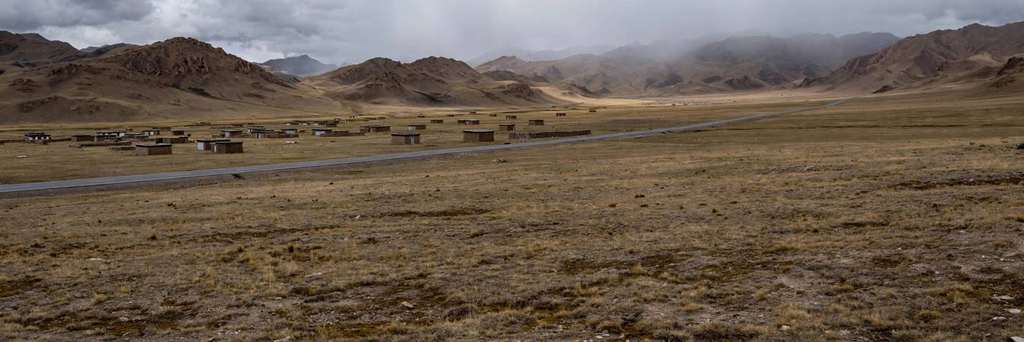
CENC data put the average elevation within 5 kilometres of the epicentre at about 4,864 metres. The county sits in a sparsely populated part of northern Tibet, and the epicentre was around 400 kilometres from the Tibetan capital, Lhasa. That distance, the altitude and the late hour all shape the first hours after a quake here. Settlements are small and spread out, and roads cross open plateau and mountain passes.
Reuters reported in its first story, published at 2:59 p.m. GMT, that it was not immediately known whether there were casualties or damage. CNN, reporting the USGS figures, said the scope of the damage was unclear. Early reports in Chinese media said buildings had collapsed and walls were damaged in Maru Township, and that rockfalls in Baqen County had damaged a car and guardrails and blocked a section of National Highway 317. Those reports carried no casualty figures, and officials had not confirmed a casualty or damage count in the first wire reporting.
Why this plateau shakes
Northern Tibet sits on the high plateau pushed up by the long collision between the Indian and Eurasian plates. The same forces built the Himalayas. Earthquakes are a standing fact of life across the region, and the USGS fault reading for Thursday's quake points to the plateau itself stretching and cracking as it spreads east and west.
The comparison officials and Chinese media reach for is close by. In 2010, a magnitude 7.1 earthquake struck Yushu in neighbouring Qinghai province, around 280 kilometres from Thursday's epicentre. That quake killed at least 2,698 people and left nearly 300 people missing, according to the figures Reuters cited on Thursday. Yushu was a county town with far denser building than the open country around Baqen, which is one reason the first question after any plateau quake is where, exactly, people were sleeping when it hit.
For now, the confirmed facts are the instruments: a magnitude 7, a shallow depth of 10 kilometres, and severe estimated shaking near the epicentre. What happened on the ground in Maru and the villages around it will come from county officials, rescue teams and daylight. This story will be updated as officials report casualties, damage and road closures.
Timeline
- 2010A magnitude 7.1 earthquake strikes Yushu in Qinghai province, around 280 km from Thursday's epicentre, killing at least 2,698 people and leaving nearly 300 missing.
- Oct 22, 2026A magnitude 7 earthquake strikes Baqen County in Nagqu at 10:33 p.m. local time, at a depth of 10 km, the strongest quake to hit China since January 2024.
- Oct 22, 2026The USGS lists the epicentre 183 km east-northeast of Nagqu with an estimated maximum intensity of VIII, while Reuters reports that casualties and damage are not yet known.
- Oct 22, 2026Officials in Nagqu report at least 16 people killed, 32 injured, 11 of them seriously, and at least 339 homes collapsed in Baqen County, AP and CNN report.
- Oct 23, 2026The Nagqu emergency bureau raises the injured count to 46 (11 serious, 35 minor); the death toll holds at 16, with more than 1,600 rescuers deployed and a section of National Highway 317 closed by rockfalls.
- Oct 23, 2026Reuters, citing a local government post on Friday, raises the injured count to 65 with the death toll unchanged at 16; Xinhua reports more than 12,000 people relocated, and the China Earthquake Networks Center records 413 aftershocks.
- Oct 23, 2026Reuters, citing local authorities at a Friday press conference, raises the injured count to 76 with the death toll unchanged at 16; Xinhua reports 12,489 people evacuated, trains resuming at reduced speed and power restored to 1,937 households in Baqen County.
- Oct 23, 2026Reuters reports the injured count at 65 with the death toll unchanged at 16; the China Earthquake Networks Center records 413 aftershocks, Xinhua reports more than 12,000 people relocated, and more than 300 police are sent to the epicentre area in Nagqu for rescue and relief.
- Oct 25, 2026A magnitude 5.9 aftershock strikes at 11:25 UTC, 218 km east-northeast of Nagqu at a depth of 7 km. USGS issues a green alert and no new casualty or damage reports are issued.
Sources
- Reuters: Earthquake of magnitude 7 strikes China's Tibet
- CNN: Strong 7-magnitude earthquake strikes China's Tibet region
- TOB News: A magnitude 7 earthquake shakes China's Tibet
- Associated Press: A 7.0 earthquake hits China's Tibet, killing 16 and injuring 32
- The Hindu: Tibet earthquake LIVE, at least sixteen dead, 32 injured after 7.0 quake, state media
- Reuters: Injuries in China's Tibet rise to 65 after earthquake, death toll remains at 16
- Reuters via SRN News: Injuries in China's Tibet rises to 76 after earthquake, death toll remains at 16
- The Hindu BusinessLine: 16 killed, 76 injured as 7.0 magnitude quake hits Tibet; over 12,000 evacuated
- Reuters via TradingView: Magnitude 5.9 earthquake strikes China's Tibet region, EMSC says
- USGS event record via Terremoto: M5.9 earthquake, 218 km ENE of Nagqu, China, Oct 25, 2026