
US and Israel Draw Up Iran Strike Plans for After the Midterms
The New York Times reports detailed plans for a short, intensive campaign against Iran's nuclear, missile and energy sites. Nothing is approved, and Tehran is answering with a threat of its own.
Key points
- The United States and Israel have drawn up specific plans for renewed strikes on Iran after the American midterm elections on November 3, The New York Times reported on Wednesday, citing US…
- US forces in the Middle East are ready to launch new, potentially major operations against Iran within 96 hours of receiving an order from President Donald Trump, CNN reported on Monday, October…
- Israel has delayed plans for additional strikes in the immediate term and is building up for possible joint operations with the United States, likely after the midterms, CNN reported.
The United States and Israel have drawn up specific plans for renewed strikes on Iran after the American midterm elections on November 3, The New York Times reported on Wednesday, citing US officials and other people briefed on the deliberations. Nothing has been approved, and President Donald Trump has blocked similar plans before.
Updated 11:05 UTC, October 26, 2026
US forces in the Middle East are ready to launch new, potentially major operations against Iran within 96 hours of receiving an order from President Donald Trump, CNN reported on Monday, October 26, citing two US officials. Officials said enough forces are now deployed to carry out the attacks, and that the target list drawn up by Central Command and the Pentagon includes Iranian energy sites, military sites and nuclear facilities. Trump has not made up his mind, officials said, although he appears to be leaning toward major action after the November 3 midterms. The White House declined to comment.
Israel has delayed plans for additional strikes in the immediate term and is building up for possible joint operations with the United States, likely after the midterms, CNN reported. One reason for the delay is that Israel needs US support for missile defense, because its defensive munitions have been strained during the war. Prime Minister Benjamin Netanyahu pushed for a joint attack before the elections and Trump did not give a green light, an Israeli security source told CNN. The prime minister's office called that account fake news.
Israel's Channel 12 News reported on Sunday, October 25, that there had been an unprecedented confrontation between Netanyahu and Israel Defense Forces chief of staff Eyal Zamir, who received a directive related to Iran and asked for an in-depth discussion and legal authorizations before carrying it out, fearing a miscalculation that could trigger an immediate conflict. Netanyahu said there was no confrontation. Defence Minister Israel Katz said on Monday, October 26, that reports of disagreements between the political leadership and the IDF on Iran were completely baseless and false, and that Israel had no intention of initiating an attack on Iran before Israel's elections on October 27, The Times of Israel reported. Netanyahu said this week that his directive to the IDF, the Mossad and other security branches is to topple the regime in Iran, CNN reported.
Plans on the table
The two militaries are preparing what the report calls a short but intensive operation. Likely targets include Iran's nuclear facilities, its missile and drone arsenal, and energy infrastructure. Some officials said oil refineries would be spared to limit gasoline price rises at home. Both militaries have stepped up exercises in recent weeks, including flights over Iraq to rehearse strike manoeuvres, the report said.
US Defense Secretary Pete Hegseth met Israeli Prime Minister Benjamin Netanyahu in Israel this week to discuss the possible strikes. Some US officials argue that one more heavy round of attacks, possibly lasting about three days, could push Iran's economy to the brink and force Tehran into diplomatic concessions after nearly eight months of conflict.
Why the timing points to November
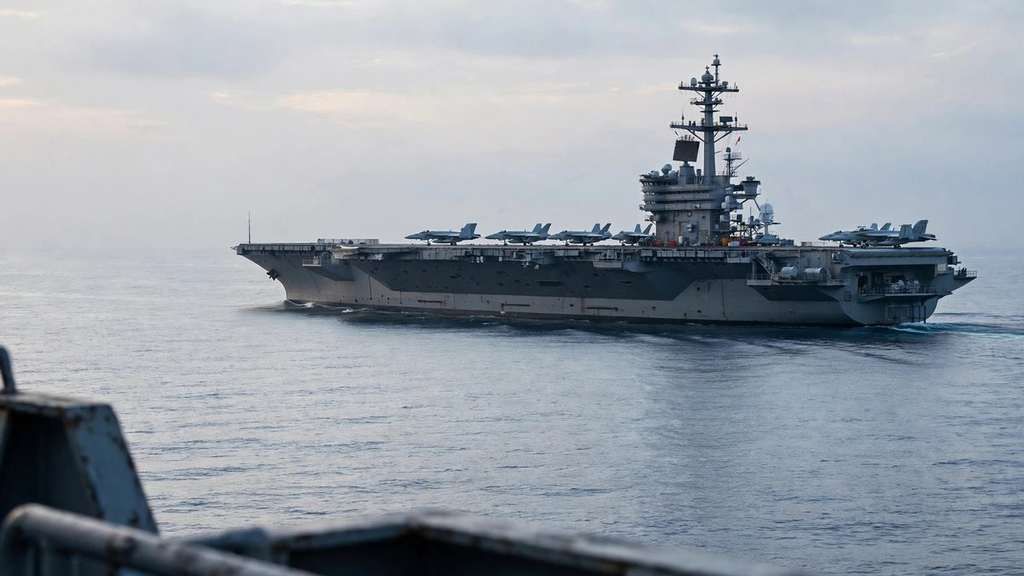
The American force gathering in the region, which includes three aircraft carriers, thousands of Marines, fighter jets and special operations forces, will not be fully in place until early November, the report said. Planners also prefer the longer hours of darkness over Iran at that time of year. Trump promised earlier this month that the United States would not strike before the vote. On October 8 he wrote that the US would not attack Iran at any time before the November 3 elections.
Trump has vetoed several plans for a return to major combat this year, most recently this month, when US and Israeli defense officials said an operation was nearly ready to launch. Officials told the Times there is still a small possibility he could order a campaign in October. Asked about the report, a White House official said the administration does not comment on military plans that may or may not exist, and that Trump is keeping all options open to make sure Iran cannot build a nuclear weapon. Trump himself said this week that the United States is not negotiating with Iran and that something will happen fairly soon.
Tehran answers with a threat
Iran warned it would respond hard to any new attack. Hossein Mohebbi, a spokesman for the Islamic Revolutionary Guard Corps, told the state-affiliated Student News Network: "The United States has the 'Mother of All Bombs.' We will show them the 'Father of All Bombs,' and it will definitely be something new for them." Tehran gave no details of any such weapon. The remark followed reports that Trump has considered using the 22,000-pound GBU-43/B bomb, known as the Mother of All Bombs, against Iran's deeply buried Pickaxe Mountain nuclear facility. Reporting on the plans also noted Iranian threats to hit Saudi refineries, including Aramco sites, to drive up energy prices if Iran is attacked.
Why it matters and what is next
Oil traders are already pricing in the risk. US crude rose 1.9 percent to 99.02 dollars a barrel in Asian trade on Thursday. The decision now sits with Trump. If he holds to his pattern of last-minute vetoes, the plans stay on paper. If he approves them, the strikes would open a new phase of a war that has already hit shipping, energy sites and cities across the region.
Timeline
- Oct 8, 2026President Trump publicly pledges that the United States will not attack Iran before the November 3 midterm elections.
- Oct 21, 2026The New York Times reports that the US and Israeli militaries have drawn up specific plans for renewed strikes on Iran after the midterms.
- Oct 25, 2026Israel's Channel 12 News reports an unprecedented confrontation between Netanyahu and IDF chief Eyal Zamir over a directive related to Iran.
- Oct 26, 2026CNN reports US forces are ready to launch major operations against Iran within 96 hours of a Trump order, and Defence Minister Katz denies any rift between Israel's political leadership and the IDF.
- Nov 3, 2026US midterm elections. The reported strike plans are timed for after the vote, once the US force in the region is fully in place.
Sources
- Livemint: US, Israel plan short but intensive strikes on Iran after mid-term elections
- ANI via Devdiscourse: US weighs fresh strikes on Iran; Tehran warns of father of all bombs
- investingLive: US and Israel plan specific renewed Iran strikes after US midterms, NYT reports
- Newsbeep: US and Israel have drawn up plans for new Iran strikes after midterms
- CNN: US has plans for major Iran strikes if Trump chooses
- The Times of Israel via Devdiscourse: Defence Minister Katz denies rift with IDF chief over Iran strike plans