
Italy Moves to Detain Minors for 12 Hours After Milan Riots, 500 More Troops Expected
Police clashed with protesters in Milan for a second day on Sunday. On Tuesday the government moved to widen police powers, with 12-hour detention for minors judged to pose a danger and 500 more army troops expected in the city.
Key points
- Italy's government was set to approve new security measures on Tuesday in response to the weekend unrest, Reuters reported.
- Police in Milan clashed with protesters on Sunday for a second straight day, as demonstrations against poor services and the rising cost of living turned violent again in the centre of Italy's…
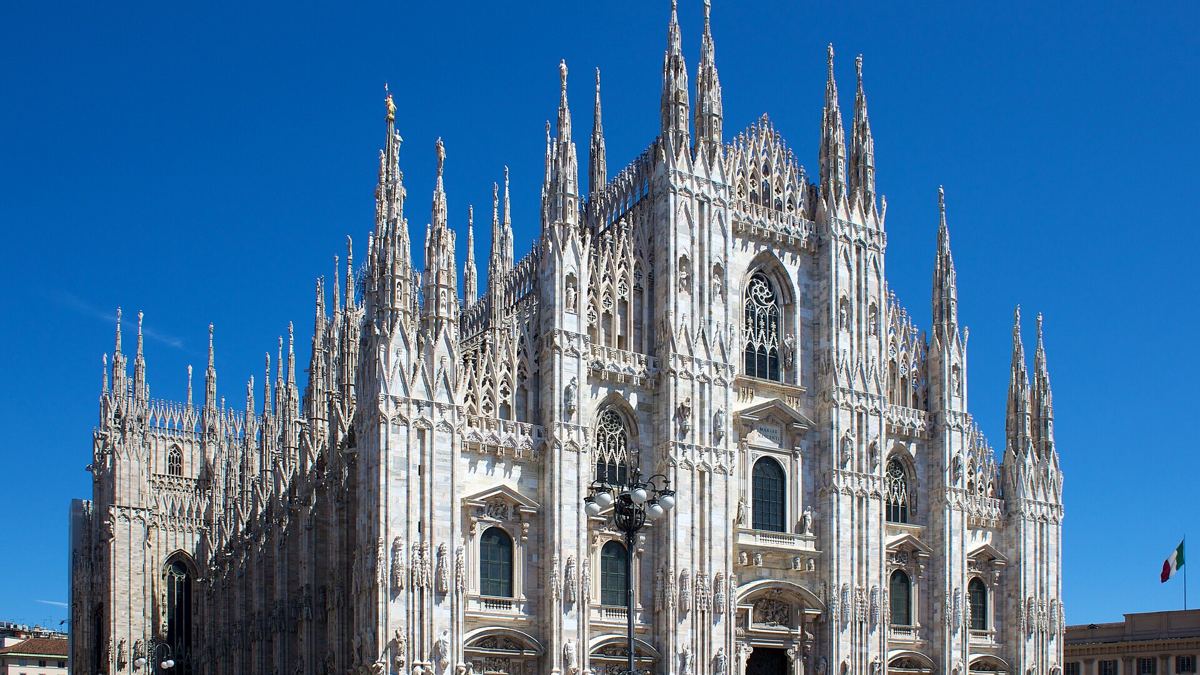
- Several hundred hooded protesters threw stones, looted shops, broke shop windows and set bins on fire near Piazza del Duomo, the square in front of the city's Gothic cathedral, sources with…
Updated 13:02 UTC, Oct 20, 2026
Italy's government was set to approve new security measures on Tuesday in response to the weekend unrest, Reuters reported. Deputy Prime Minister Matteo Salvini said police would be allowed to detain people under the age of 18 at police stations for 12 hours, even if they have not committed a crime, provided there is evidence that they pose a danger. "We want to intervene quickly on young people," Salvini told RTL radio ahead of a cabinet meeting called to approve the measures. Rome was also expected to deploy an additional 500 army troops in Milan, where further demonstrations are planned for Saturday. Marina Prosperi, a criminal defence lawyer in Bologna, said the main effect of the new offences the government has created in recent years has been to make protesting more risky, especially for migrants seeking residence permits or citizenship. Italy's prison population has risen by more than 17 percent in four years, government data cited by Reuters shows.
Police in Milan clashed with protesters on Sunday for a second straight day, as demonstrations against poor services and the rising cost of living turned violent again in the centre of Italy's financial capital.
Several hundred hooded protesters threw stones, looted shops, broke shop windows and set bins on fire near Piazza del Duomo, the square in front of the city's Gothic cathedral, sources with knowledge of the investigation told Reuters. Police in riot gear fired tear gas and used water cannons, and more than 60 protesters were taken to a police station for further checks, the sources said.
A peaceful march that turned violent
The unrest began on Saturday, October 17, with a march against wars and rising living costs that drew more than 5,000 people, many of them students, according to The Times. The march began peacefully, but masked protesters broke away and threw stones, paving blocks and other objects at riot police in the cathedral square. Barricades built from bar tables were set on fire, and images of the aftermath showed a badly damaged carabinieri car, the Associated Press reported.
Rioters looted shops, smashing a window at a Foot Locker store to take items from its display, The Times reported. Police cleared the square and the Galleria Vittorio Emanuele II, the luxury shopping arcade on one side of it, as shops pulled down their shutters and tourists fled the area. The Duomo metro station was closed during the clashes.
Police said 104 officers were injured in Milan on Saturday and 13 other people received medical treatment. A total of 72 suspects, many of them minors, were detained at the city's central police station. Marco Barbieri, general secretary of the Confcommercio business association, put the damage in Milan at about 500,000 euros.
Clashes beyond Milan
Milan was not alone. In Bologna, police used water cannon to disperse crowds on Saturday and made seven arrests after a protest there turned violent, the ANSA news agency reported. A police report on Sunday said 28 protesters had been arrested after Saturday's clashes across northern cities, including Milan, Bologna, Brescia, Bergamo and Turin, Reuters reported.
The Italian clashes echoed the violence in neighbouring France, where hundreds of thousands of people angered by rising costs and declining public services took to the streets on Saturday in some of the country's most violent protests in years.
Meloni condemns the violence
Prime Minister Giorgia Meloni, who faces an election next year, condemned the violence and announced a government meeting on Monday to discuss how to address the situation, Reuters reported.
"Demonstrating is a right. Setting our cities ablaze is not," Meloni wrote on social media on Saturday, blaming hooligans who exploit demonstrations to sow chaos. On Sunday she thanked the officers who had protected citizens, workers and business owners, and said they had faced violence from criminals who exploit demonstrations to provoke conflict.
Milan's mayor, Giuseppe Sala, said the reasons for the protests were understandable, but that the violence against law enforcement and the serious damage to the city were not justifiable.
Timeline
- Oct 17, 2026A march against wars and rising living costs draws more than 5,000 people in Milan and turns violent near Piazza del Duomo, with clashes also in Bologna.
- Oct 18, 2026Protesters clash with police in central Milan for a second day, and more than 60 people are taken to a police station for further checks.
- Oct 18, 2026Prime Minister Giorgia Meloni condemns the violence and announces a government meeting for Monday to discuss the unrest.
- Oct 20, 2026The government is set to approve new security measures, including 12-hour police detention for minors judged to pose a danger, with 500 more army troops expected in Milan.
Sources
- Reuters: Milan police clash with protesters on second day of unrest
- Reuters: Italian police clash with protesters in the centre of Milan
- Associated Press: Rioters loot stores, set fires in central Milan
- The Times: Italy protests, Giorgia Meloni condemns hooligans ravaging Milan
- Reuters: Italy's Meloni to boost police arrest powers in response to weekend riots